
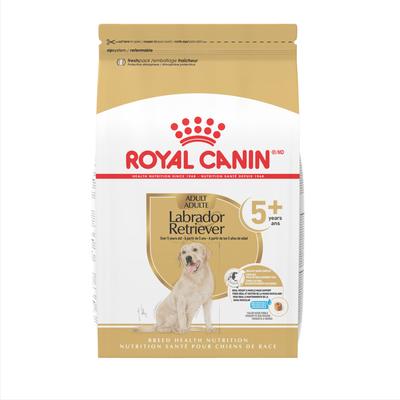
Breed Health Nutrition Labrador Retriever Adult 5+ Dry Dog Food, 28-lb bag
Royal Canin Breed Health Nutrition Labrador Retriever Adult 5+ Dry Dog Food, 28-lb bag earns a Sniff Score of 67/100 (B) with Fair evidence. Zero controversial ingredients flagged. Quality carbohydrate sources with fermentable fiber..
Graded by The Sniff System
Quality carbohydrate sources with fermentable fiber.
Reasonable protein quality. chicken by-product meal delivers solid amino acid coverage.
Quality fat sources: named fat with marine oil (EPA and DHA source).
Controversial ingredients · 1
- sodium seleniteSynthetic selenium source. Selenium is essential, but sodium selenite has a narrower safety margin than organic alternatives like selenium yeast. Better-formulated foods use the organic form.
Every flagged ingredient has a published basis (confirmed harm / regulatory action / precautionary). See methodology →
Read why each ingredient is good or bad for dogs.
- 1protein animalchicken by-product meal
Ground organs, bone, and tissue. Nutritionally dense, especially the liver and gizzard fractions. Named species ('chicken') is what matters. Generic 'poultry by-product meal' is the one to worry about.
- 2grainbrown rice
Whole grain that's easy to digest. Steady carb energy plus a little fiber.
- 3oat groats
Whole oats with only the inedible hull removed. The most intact form of oats available.
- 4brewers rice flour
- 5othernatural flavors
Same as natural flavor. Usually hydrolyzed liver or broth, adds palatability.
- 6protein plantcorn gluten meal
Concentrated corn protein. Inflates the protein percent on the label without matching meat-quality amino acids.
- 7graincorn
Whole corn is more nutritious than it gets credit for, with decent amino acids and steady carbs. The bigger concern is when corn dominates the top of the ingredient list at the expense of named meat.
- 8brewers rice
Broken rice kernels left over from milling, usually destined for human beer-making. Cheaper than whole or even white rice. Same carbs, less nutrition than the brown version.
- 9protein plantwheat gluten
Concentrated wheat protein. Like other plant gluten meals, it pads the protein number on the label without contributing meat-quality amino acids.
- 10fiberpowdered cellulose
Plant fiber, often from wood pulp. Cheap bulk filler. Not harmful, but a tell that the recipe is reaching for inexpensive bulk.
- 11protein animalpork meal
Pork cooked into a dry concentrate. Per pound, more protein than fresh pork.
- 12dried plain beet pulp
Beet fiber, with the sugar removed. Long unfairly maligned. It's a real soluble fiber that supports stool quality.
- 13fatchicken fat
Despite the name, a high-quality energy source. Concentrated calories plus essential fatty acids like linoleic acid.
- 14fatfish oil
Concentrated omega-3s. The reason 'EPA' and 'DHA' get to show up on the bag.
- 15vegetable oil
Unnamed plant oil. Could be soy, canola, corn, or a blend. Named oils like sunflower or canola are more transparent.
- 16sodium silico aluminate
Same role as sodium aluminosilicate. Anti-caking agent at trace inclusion.
- 17pork digest
- 18dried tomato pomace
The fiber-rich byproduct of tomato processing. Sometimes flagged unfairly. It's a real fiber source, not a filler shortcut.
- 19mineralcalcium carbonate
Source of calcium. Functional. Required in complete dog foods, especially those without bone-in meat meals.
- 20mineralsalt
Sodium chloride. Required at small doses for normal physiology. Not a quality concern in standard amounts.
- 21powdered psyllium seed husk
- 22mineralpotassium chloride
Required mineral. Sometimes used as a salt substitute. Standard inclusion in complete diets.
- 23fiberfructooligosaccharides
Prebiotic fiber, often called FOS. Feeds beneficial gut bacteria, similar in function to inulin.
- 24mineralzinc proteinate
Zinc bound to protein for better absorption. The premium form of the mineral, versus zinc oxide which sits cheaper on the label.
- 25mineralferrous sulfate
Inorganic iron. Standard mineral source. Iron proteinate is the gentler, better-absorbed premium form.
Showing first 25 of 38. Position 1-5 has the largest weight in the recipe.
22 of 25 ingredients have a curated note. Coverage grows over time.